 DailyMaleRoutine
Understanding Daily Nutrition Basics
Educational content only. No promises of outcomes.
This resource provides information about vitamins, minerals, and nutrients naturally present in everyday foods consumed by adults. Learn about common food sources and their nutritional composition.
Explore Nutrient Basics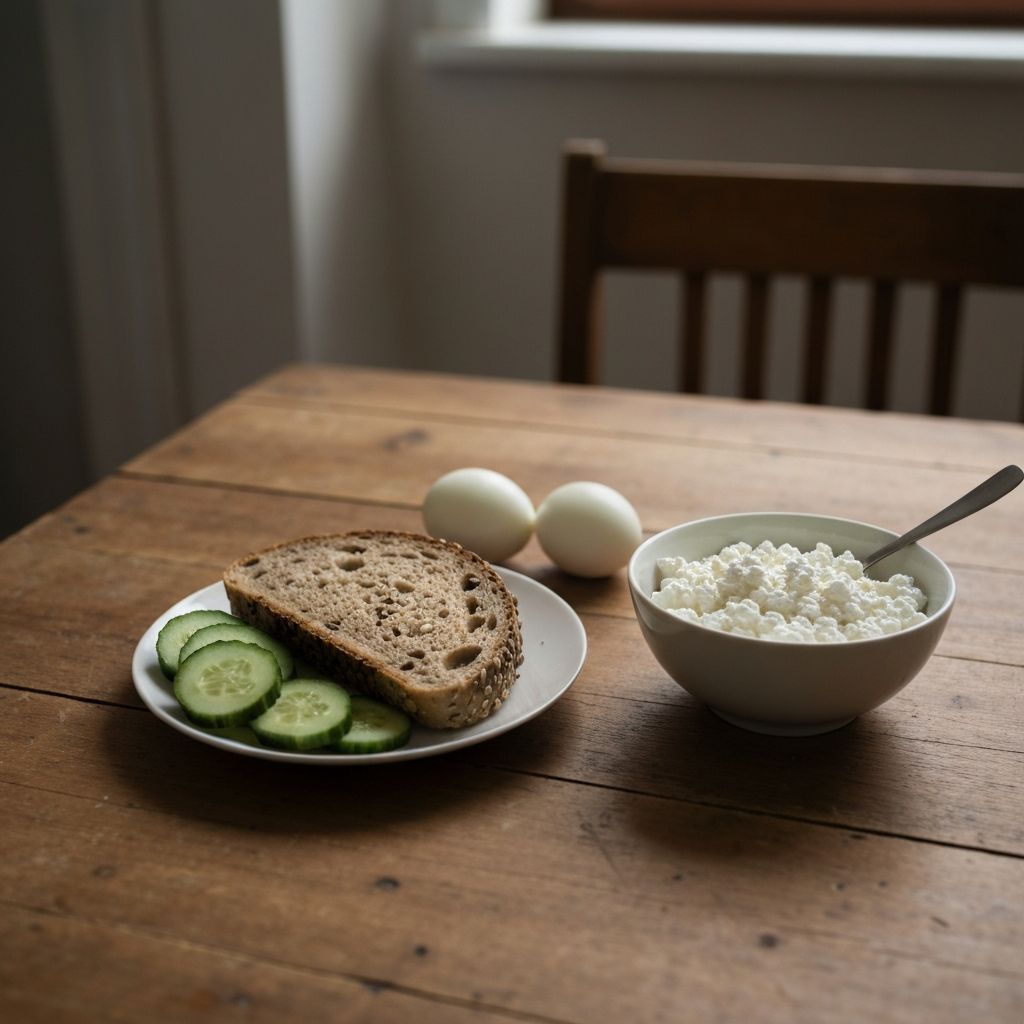
Overview of Daily Nutrient Patterns
A balanced approach to everyday eating includes various food groups throughout the day. Different meals provide different nutrient profiles depending on the ingredients used and preparation methods. Understanding these patterns helps recognize the natural sources of vitamins and minerals available in typical European cuisine.
According to nutritional research, consuming a variety of whole foods ensures adequate intake of essential nutrients. This section explains the basic principles without prescribing specific routines or individual dietary plans.
Vitamins and Minerals in Routine Food Choices
Everyday foods contain numerous vitamins and minerals essential for normal biological processes. These nutrients are naturally present in products commonly found in household kitchens across Poland and Europe.
Vitamins such as B vitamins, vitamin C, vitamin D, and vitamin E appear naturally in different food categories. Minerals including iron, zinc, calcium, magnesium, and potassium are similarly distributed across various ingredients used in daily cooking.
The body requires consistent nutrient intake from diverse food sources. Different meals throughout the day provide different nutrient combinations depending on what ingredients are used.
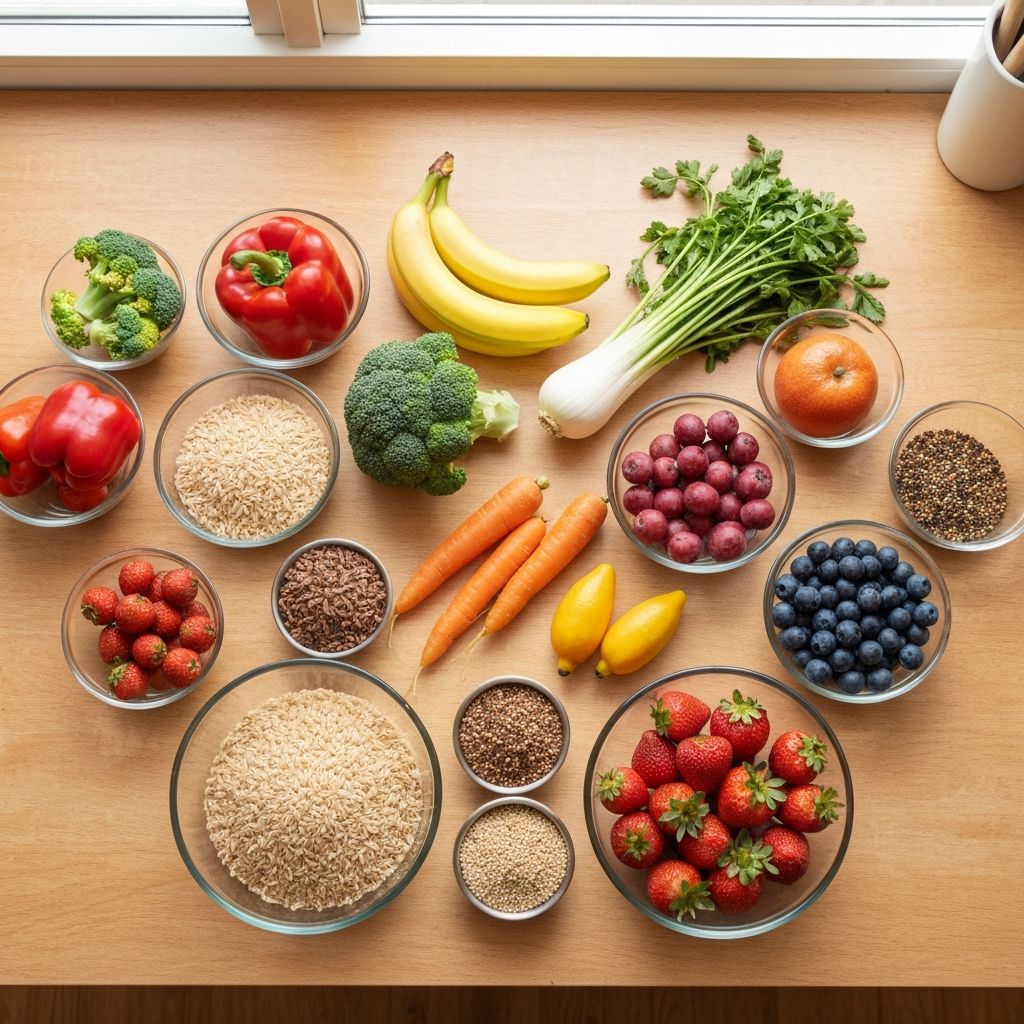
Breakfast Staples and Their Composition
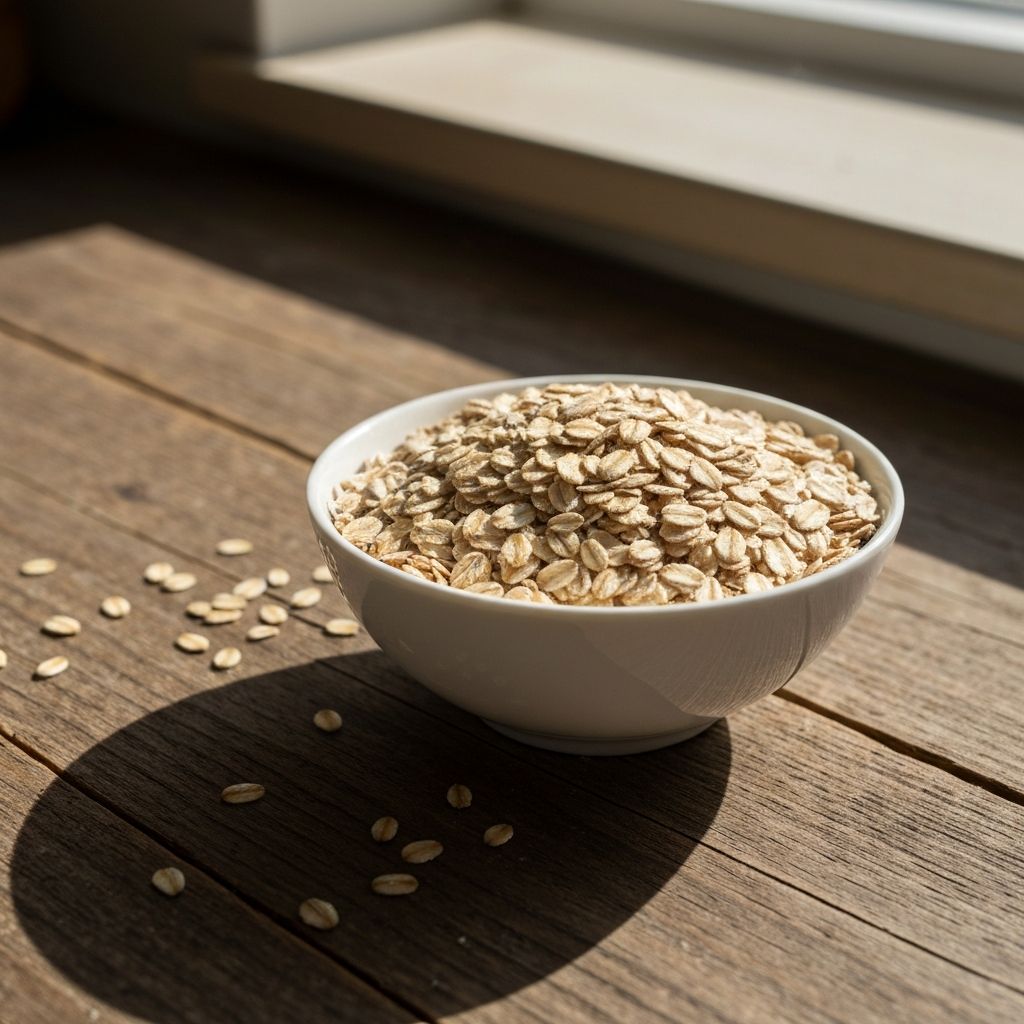
Oats
Oats naturally contain B vitamins, magnesium, manganese, and phosphorus. One of the common sources of fiber and carbohydrates in European breakfast traditions. Naturally present in many households and used in various breakfast preparations.

Eggs
Eggs are a common source of protein, choline, selenium, and vitamins including B12 and D. Widely available and frequently incorporated into breakfast meals across European regions. Natural source of several essential amino acids and micronutrients.
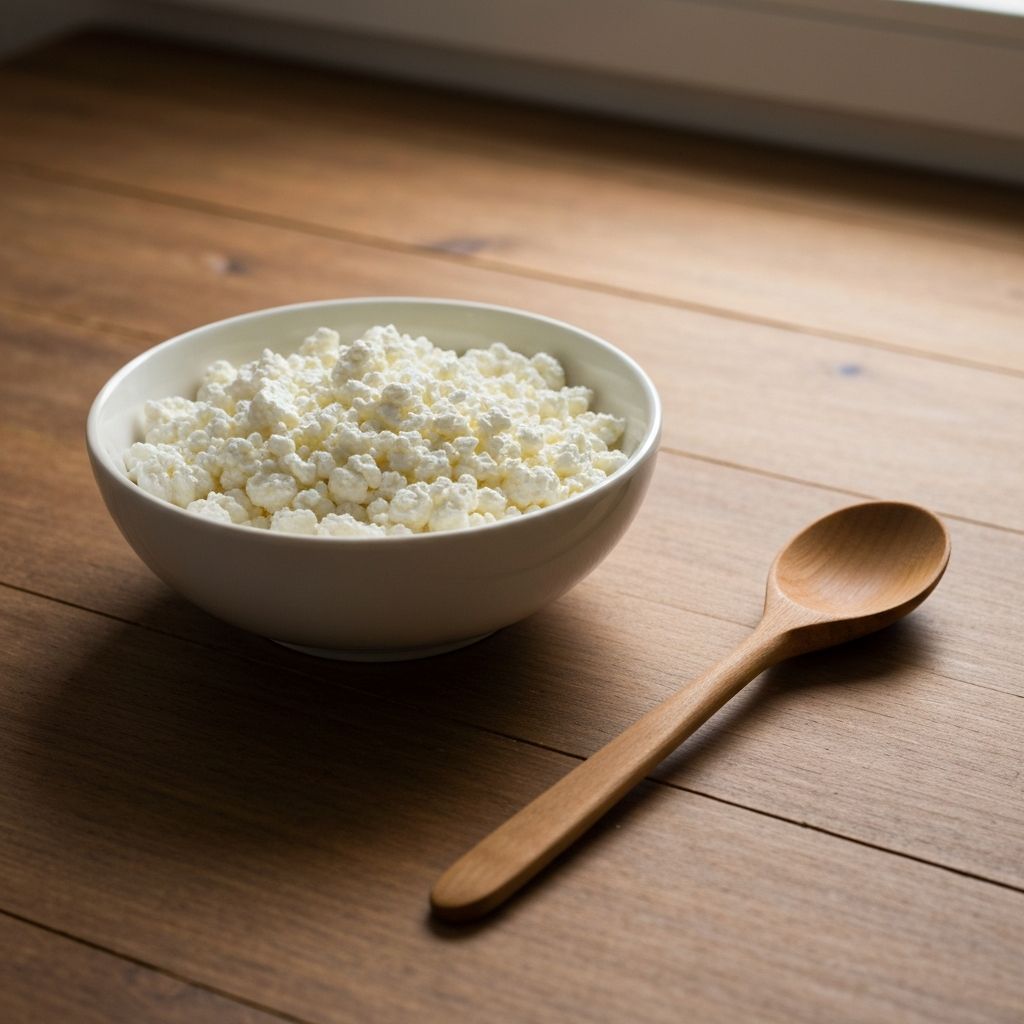
Cottage Cheese
Cottage cheese provides protein, calcium, phosphorus, and B vitamins. A dairy product commonly available in Eastern European markets including Poland. Natural source of essential amino acids and minerals used in breakfast preparations.
Lunch Vegetables and Protein Sources

Chicken Breast
Chicken is a common protein source containing B vitamins, selenium, and phosphorus. Lean protein naturally present in everyday cooking. Widely accessible in European markets and frequently used in midday meal preparations.
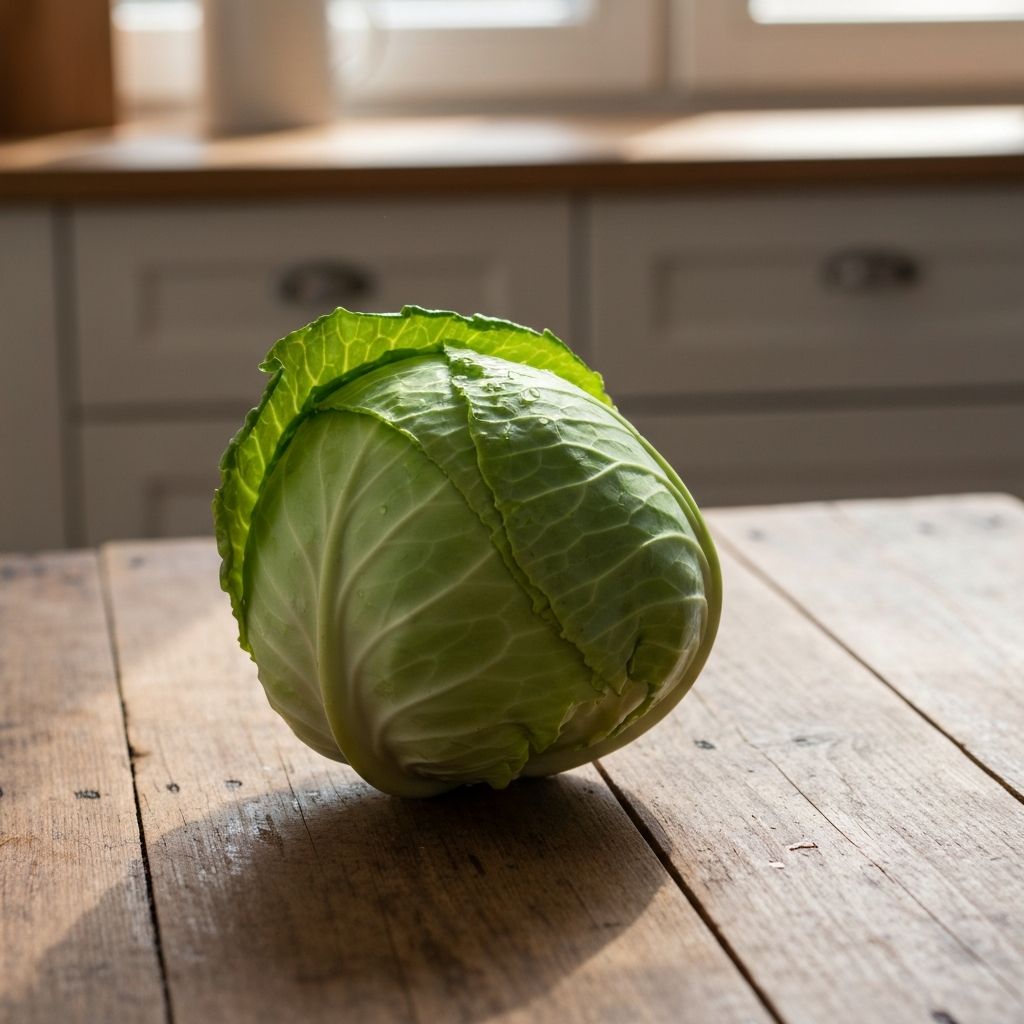
Cabbage
Cabbage contains vitamin C, vitamin K, and various minerals including potassium and manganese. A traditional vegetable in Polish and European cuisine. Inexpensive and widely available throughout the year in various forms.

Carrots
Carrots naturally contain beta-carotene, fiber, potassium, and vitamin C. One of the most common vegetables in European kitchens. Orange variety is rich in carotenoids and frequently used in traditional lunch preparations.
Dinner Grains and Fish Options
Evening meals often include grains as a base ingredient. Buckwheat is a common grain in Polish households containing manganese, magnesium, and B vitamins. Rice, barley, and other grains provide carbohydrates and various micronutrients.
Fish is a significant source of omega-3 fatty acids, protein, and various vitamins including B vitamins and vitamin D. Different types of fish available in European markets provide different nutrient profiles. Herring and other traditional fish varieties contain selenium, iodine, and phosphorus.
Combining grains with fish or other proteins creates nutritionally complete meals. The combination of different ingredients throughout the day ensures varied nutrient intake.

Role of Consistent Nutrient Intake
The body functions optimally when receiving consistent nutrient intake from diverse food sources. Different nutrients support various biological processes including energy metabolism, immune function, bone maintenance, and cellular operations.
Research indicates that regular consumption of a variety of whole foods supports normal biological functions. The timing of meals and the diversity of ingredients used influences the overall nutrient profile consumed throughout the day.
This is an informational overview explaining general principles. Individual nutritional needs vary, and any specific dietary decisions should consider personal circumstances.
Common Polish and European Everyday Food Sources

Polish cuisine traditionally incorporates foods like rye bread, herring, fermented dairy products, root vegetables, and various grains. These ingredients have been staple sources of nutrition in the region for centuries.
Rye bread provides B vitamins, minerals, and fiber. Fermented dairy like kefir and yogurt contain probiotics and calcium. Root vegetables such as beets and turnips provide vitamins and minerals.
Herring and other preserved fish are traditional sources of omega-3 fatty acids, vitamin D, and protein. The combination of these traditional ingredients provides a diverse nutrient profile throughout daily meals.
Modern Polish households continue using many traditional ingredients alongside other European food products, creating diverse meal options.
Impact of Meal Timing on Nutrient Utilization
The timing of meals influences how nutrients are absorbed and utilized by the body. Different times of day may affect metabolic processes and nutrient bioavailability. Breakfast, lunch, and dinner each provide different opportunities for nutrient intake.
Morning meals typically include foods that provide quick-absorbing carbohydrates and proteins. Midday meals often incorporate vegetables and varied protein sources. Evening meals may emphasize different nutrient profiles depending on ingredient selection.
Spacing meals throughout the day allows for more consistent nutrient supply to the body. The specific timing and composition of meals can be adapted to individual lifestyle patterns and preferences.
Basic Food Pairing Principles
Combining different foods creates nutritionally complementary meals. Pairing proteins with vegetables increases mineral absorption. Including fat-soluble vitamins (A, D, E, K) with healthy fats enhances their absorption.
Examples of common pairings include: grain with legumes to create complete protein; vegetables with olive oil or fish to improve nutrient absorption; fermented dairy with fruits for vitamin and probiotic combination.
Understanding these basic principles helps recognize how everyday foods work together naturally. Different ingredient combinations provide different nutrient density and absorption rates.
Variety in Typical Weekly Patterns
A typical week of eating includes repeating patterns of different meals and ingredients. Variety within these patterns ensures exposure to different nutrient sources throughout the week.
One week might include several occasions of eating fish, multiple vegetable servings, several grain-based meals, and regular dairy product consumption. The total nutrient intake across the week depends on the cumulative effect of daily choices.
Seasonal availability of different foods naturally creates variation. Winter meals may emphasize stored vegetables and preserved products. Summer meals include fresh vegetables and lighter proteins.
Understanding general patterns without prescribing specific routines helps recognize the natural variety available in everyday food choices.
Continue Your Learning
Educational content only. No promises of outcomes. This resource presents general information about nutrients in everyday foods. Individual circumstances differ, and specific decisions should be made based on personal needs and preferences.